
A study in proximity.
2025

How can furniture shape the distance between two people?
With a nod to the traditional vis-à-vis chair, DUO explores the relationship between distance and connection.
The project consists of two chairs that are designed to function together. Individually they remain incomplete; Only when they are together do they create a complete piece of furniture. Their sliding construction allows the distance between the seats to be adjusted, creating a continuous spectrum between separation and closeness.
Rather than prescribing interaction, DUO makes people aware of it. A simple movement changes not only the position of the chairs, but also the dynamic between the people sitting in them. The object becomes a subtle tool for negotiating personal space.
Final object
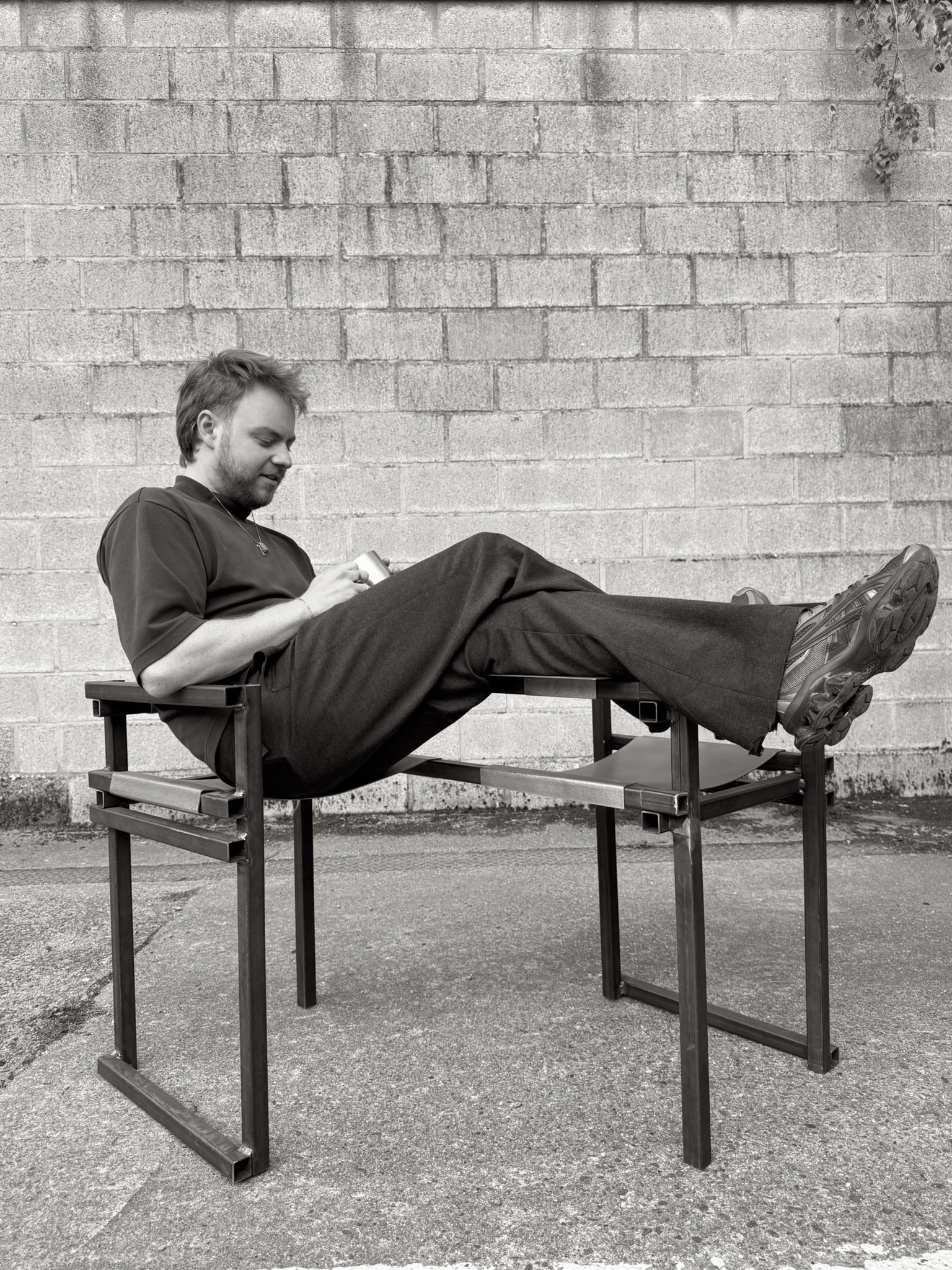
Constructed from welded steel profiles and folded sheet steel, DUO combines an exposed structural frame with gently curved seating surfaces.
The sliding mechanism allows both chairs to move towards or away from each other while remaining physically connected. This creates a single piece of furniture that constantly adapts to the relationship between its users.
By making movement part of the experience, DUO transforms sitting from a static act into an interaction.




Specifications
Materials
Steel tube, folded sheet steel
Collaboration
Developed in collaboration with Willem De Roo and Silke Van Overveld.

Other object investigations


